Why Website Design Often Fails to Keep Customers on the Page
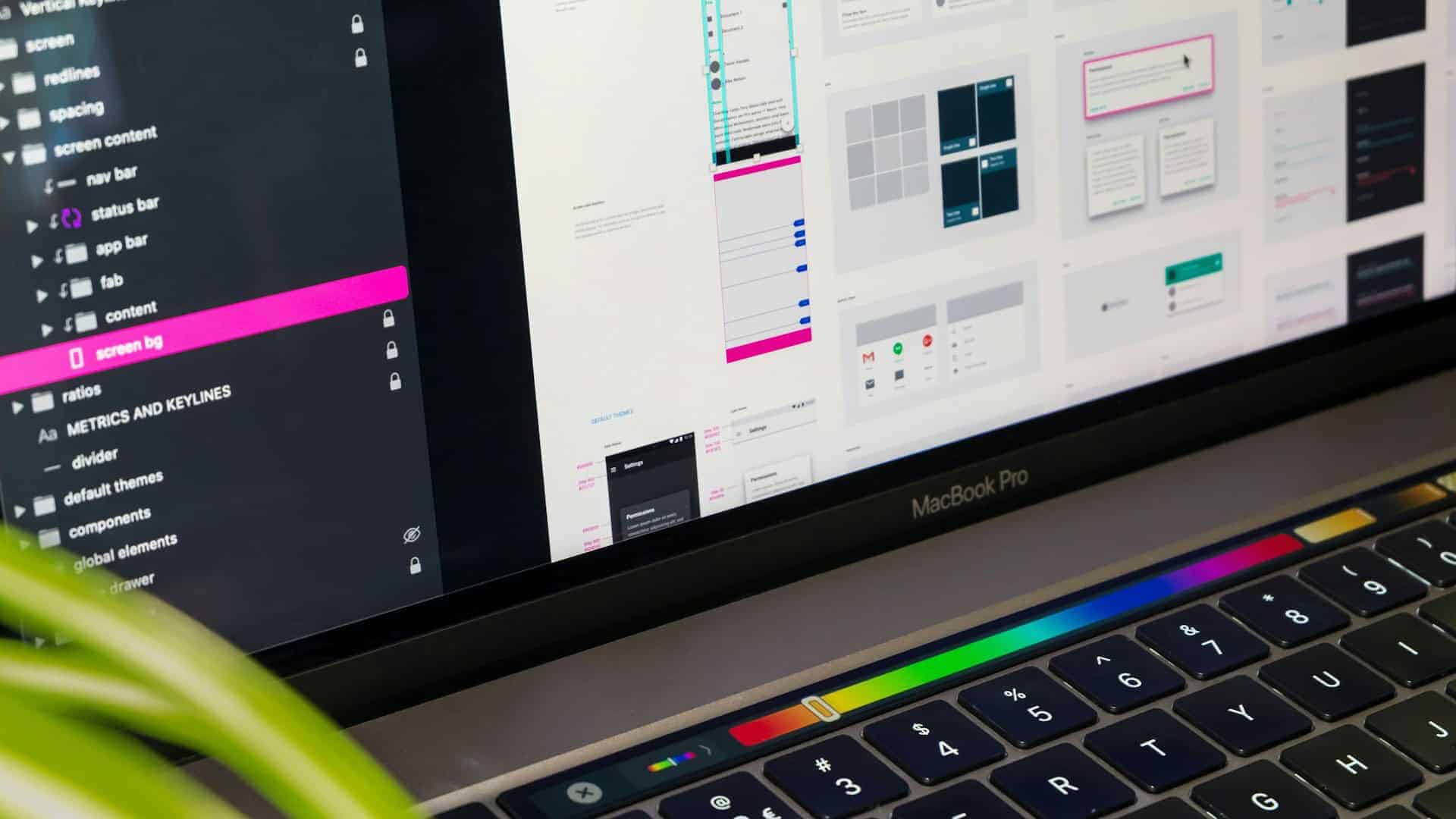
When someone lands on your website, they expect it to load quickly, make sense, and give them what they came for. If it doesn’t, they’re gone before you’ve had a chance to say anything. No matter how much you’ve spent, if your web design gets in the way of a smooth experience, people won’t stick around.
Many small and medium businesses put time and energy into how their site looks, but still see people leaving without taking action. That disconnect often comes down to design choices that feel good on paper but don’t help the user do what they came to do. Web design is not just colours and layouts. It’s how well your site moves someone from curious to confident, all without making them think too hard. Let’s break down why that experience falls apart more often than it should.
Overspending on Looks and Underdelivering on Function
It’s easy to get drawn into design ideas that look impressive but don’t support what your users actually need. A homepage might feature animated banners, large full-screen prompts, or scrolling effects meant to wow visitors. But if these features don’t make it easier to navigate or understand what’s being offered, they become roadblocks.
Pop-ups asking for emails before someone even knows what they’re looking at often cause frustration. Slideshows that automatically rotate can distract more than they help. Large sections that look “modern” might use up space but say very little.
What’s often missing is a clear goal. Every part of the page should help visitors understand what the next step is. If the user is unsure where to click or what to do next, they’ll leave. The website shouldn’t just look good. It should work with the user, not against them.
Confusing Structure and Content That Doesn’t Flow
Even when a page looks clean, the way things are arranged and written can still confuse the user. Many businesses try to say everything all at once, leading to clutter. An overwhelming amount of content or visual noise makes it hard for visitors to focus. Too many competing elements leave people wondering which one matters.
Often, useful things like contact details, prices, or what the business actually does are buried in fancy language or placed in hard-to-find sections. Visitors shouldn’t have to work to find the basics.
This is where structure matters. Sections should be laid out in a way that matches how people think. Headlines should match the questions users are asking. There should always be a clear next step, like a button that guides them forward or a short line that lets them know what happens if they click.
When websites miss this, the visitor isn’t just bored. They’re confused. Confusion pushes people away faster than anything.
Slow Load Times That Break Trust Immediately
People expect a site to load in about two seconds. If it takes five or six, they might assume something is broken. That first few seconds sets the tone; if it’s slow, trust takes a hit from the start. Many things affect performance, but web design plays a big role.
Heavy graphics, animations, and oversized fonts or images eat up load time. These might look nice in a demo but weigh down your site for real users, especially on mobile or slower connections. If someone is using their phone while out and about on a winter morning, they could give up before the page even loads.
Another issue is how sites respond on smaller screens. Just because something works on a laptop doesn’t mean it works well on a phone. Buttons get too small. Images don’t resize. Layouts collapse in weird ways.
Website speed is a critical ranking factor in search engines. We optimise every WordPress site for fast load times, using lightweight frameworks and best-practice image compression to improve overall site performance.
Speed isn’t a small problem. It’s part of how people decide if they can trust your business. And if you lose them here, they rarely come back.
Ignoring What Visitors Actually Want
Website design often starts from the business’s point of view: what we do, how we do it, why we’re good at it. But that’s not how most users enter a website. They come with a question or a task in mind. If the site doesn’t speak to that quickly, they leave.
A common issue is assuming users care about the history of the company or its mission right away. They don’t. They’re looking for proof they’ve found the right place and some way to act on it. If the content doesn’t address that, visitors scroll past it or bounce out entirely.
Worse, if there’s no way for users to give feedback or respond to what’s confusing, the problems never get corrected. What started as a thoughtful design ends up feeling stiff or disconnected over time. Without checking in on what users are actually doing or needing, even a decent site can become hard to use.
We use clear calls to action, straightforward messaging, and prominent contact options to make sure visitors can always find what they need quickly and easily.
No Ongoing Attention After Launch
One of the biggest misunderstandings about web design is thinking it’s a one-off job. The truth is, design isn’t done when the site is live. But many businesses rarely touch their site again after launch. Pictures stay the same. Text goes out of date. Links get missed. What worked three years ago might now feel broken, especially as styles shift and devices change.
Small issues add up. A missing page title here. A broken link there. On their own, these things don’t seem like much. But together, they make the whole site feel neglected. Around slower months like January, when fewer people are actively reaching out, outdated sites can start to look unreliable. That early impression matters.
Without regular adjustments, a site loses its purpose. What’s relevant and clear becomes stale and confusing. Fresh, current design gives a sense that you’re paying attention, and that builds trust.
We provide ongoing WordPress maintenance packages, including updates, backups, and regular performance reviews to keep your website secure and effective long after launch.
Build a Better User Experience from Day One
A good website doesn’t just show off; it helps people. It feels easy. It gives answers. It makes next steps obvious. These aren’t fancy tricks. They’re well-thought decisions about how the site should work, not just how it should look.
When we think about how users move through our site, where they stall, where they click, when they leave, we start seeing what matters and what doesn’t. From there, we can build pages that work harder, not just look nicer.
Web design is more than putting things on a screen. It’s about helping people find what they came for. If we focus on making that part easier, the chances they’ll stay, and act, go way up.
When your website feels more like an obstacle than a guide, it’s time to rethink your approach to web design. A clear layout, thoughtful structure and quick performance are necessary for keeping visitors engaged. At Nimble Digital UK, we prioritise what users truly need rather than just focusing on appearance. Let’s discuss how your site can perform better and how our team can help you make it happen. Reach out today to start the conversation.

Gordon Sheppard
Article category:
