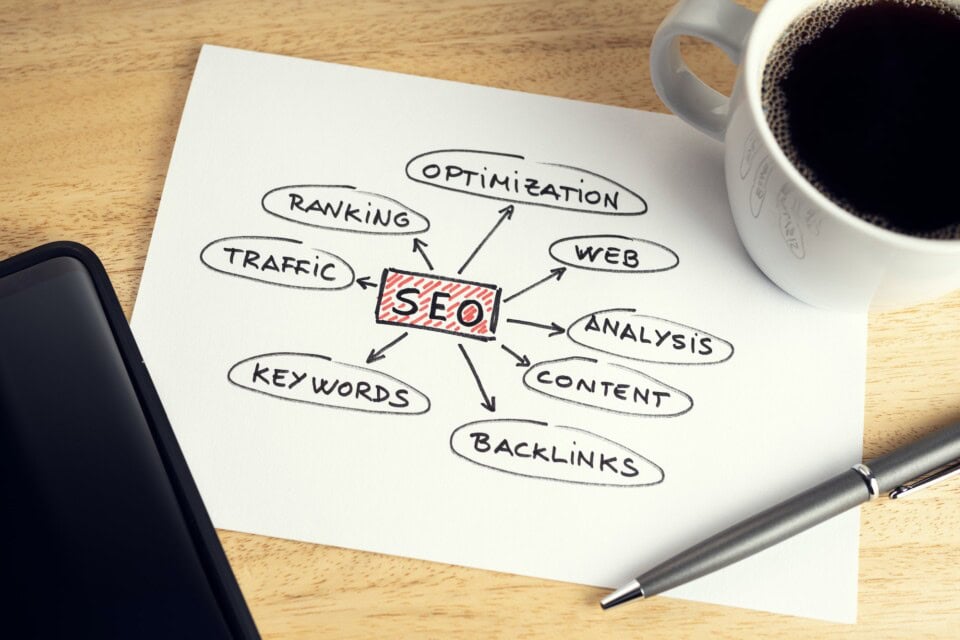
When you run a small or medium-sized business, ensuring your website is in top shape can often seem like a puzzle. Website audits are essential, helping to break down barriers that stop your site from performing at its best. Businesses can struggle with the technical aspects that keep a site both smooth and visible to the people you want to reach. Audits are a great way to identify what’s holding your website back and help it stand out in searches, providing a better experience for visitors.
For those managing a business website, there’s a real challenge in keeping everything in order while juggling other tasks. Common concerns like slow loading times, broken links, and missing page titles can frustrate both you and your visitors. By conducting regular website audits, you can uncover these issues before they become bigger problems. Let’s explore how understanding the purpose of a website audit and taking simple steps can significantly enhance your site’s performance and the experience you offer.
Understanding the Purpose of a Website Audit
Conducting a website audit is like giving your website a health check, finding out what works and what doesn’t. It’s not just about spotting problems; it’s about understanding how these issues hiccup the overall performance and why SEO suffers as a result. Here are a few key reasons audits are so necessary:
– Identify Problem Areas: Audits help you find glitches such as broken links or missing tags. Recognising these areas early on saves time and money by preventing future obstacles.
– Boost Performance: Having a fast, responsive site is essential to keep visitors engaged. Audits ensure that your website runs quickly and efficiently, enhancing the overall user experience.
– Improved SEO: Auditing assists in identifying weaknesses in your SEO strategy. From keyword placement to metadata, knowing where to improve can boost your site’s visibility in search engine results.
One common issue is the slow loading speed of pages, which can frustrate visitors and lead them to exit before seeing what you offer. Imagine a visitor trying to access your contact page, but it takes forever to load. They might give up and head to a competitor’s site instead. By discovering such issues during an audit, you can fix them and keep potential customers from walking away.
With these insights in mind, a website audit becomes a proactive tool rather than just a reactive fix, equipping your business to thrive online. As we continue, let’s delve into the practical steps involved in carrying out a thorough website audit for sustained success.
Steps to Conduct an Effective Website Audit
Embarking on a website audit begins with a clear plan. Here’s a simple guide:
1. Preliminary Review
Start by assessing the state of your website. Is everything functioning as it should? Check the homepage and major landing pages for obvious issues or inconsistencies that visitors might notice. Go through your site’s links to ensure there are no paths leading to dead ends, as broken links can quickly turn away a potential customer.
2. Content Analysis
Take a close look at your website’s content. Ask yourself if the material is current, relevant, and engaging to your audience. Outdated or duplicated content can dilute your message and confuse visitors. Remove unnecessary pages that don’t add value to your site’s objectives. Content must stay meaningful and aligned with your business vision.
3. Technical SEO Review
Examine the technical aspects meticulously. Site speed and mobile-friendliness are critical elements in today’s browsing experience. Make sure your pages load swiftly on both desktop and mobile platforms. Scrutinise for any broken links, ensure all images have proper alt text, and check that your headings are structured logically. This groundwork enhances search engine crawling and improves visibility.
4. User Experience Assessment
Consider the journey your visitors take from start to finish. Easy navigation and clear calls-to-action create an inviting atmosphere. Evaluate the page layout—does it make sense, or do users get lost along the way? A well-structured design keeps visitors engaged and increases the likelihood of them taking desired actions, like signing up for newsletters or making a purchase.
5. Comprehensive Reporting
Compile your findings diligently. A detailed report that highlights all issues and offers actionable improvements provides clarity and direction. Prioritise the tasks based on their potential impact on performance and SEO. This transparency sets a roadmap for steady progress in enhancing site quality.
Implementing the Findings from Your Website Audit
Once you’ve gathered insights, it’s time for action. Enact the changes by addressing the most critical issues first. Adjusting high-impact areas can bring quick improvements, whether through fixing broken links, enhancing site speed, or refreshing content. It’s all about making small changes that can yield significant results.
Regular audits are key for long-term success. As technologies and search algorithms evolve, keeping track of these changes ensures your site remains relevant and effective. By constantly refining your site’s performance, you can provide users with a consistently superior experience.
Achieving Long-term Success with Regular Audits
Routine website audits are an effective way to stay ahead in the digital landscape. Constantly maintaining and updating your site prevents minor hiccups from turning into major disruptions. Regular check-ups mean you can catch potential issues early, saving time and resources in the long run. As tools and practices change, frequent audits ensure your site adapts and thrives.
For many business owners, employing expert help can relieve the burden of these ongoing technical tasks. Specialists know how to keep your website in top shape, handling the complexities while you focus on what matters most — growing your business.
For small and medium businesses seeking peace of mind with their website, understanding the ins and outs is just the beginning. Let Nimble Digital UK guide you through effective maintenance strategies to keep your site running smoothly. Explore our expert websites consulting services to enhance your site and focus more on what you do best—growing your business.